Ganache ratios: why the same recipe fails with milk chocolate
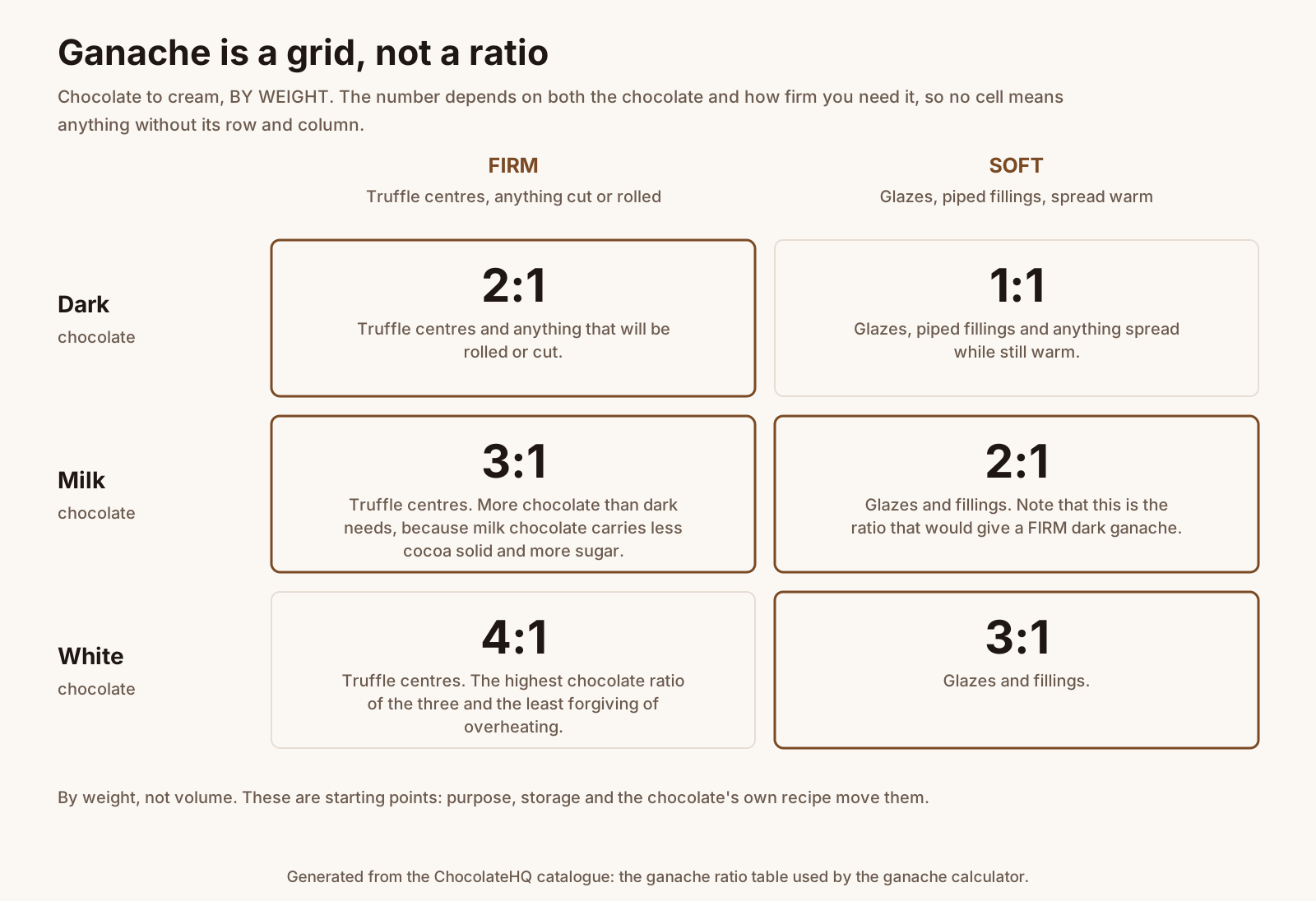
The ratio depends on the chocolate type, not on the recipe. Dark 2:1, milk 3:1, white 4:1 — and most ganache failures are this and nothing else.
If you read nothing else
Dark 2:1, milk 3:1, white 4:1 by weight for a firm ganache. A loose ganache is almost always a ratio error, and chilling will not fix it.
Why the type changes the ratio
Ganache sets because cocoa solids and cocoa butter build a structure through the water phase. Milk chocolate has fewer cocoa solids per gram and softer milk fat; white chocolate has no cocoa solids at all.
So the same weight of cream needs progressively more chocolate as you move from dark to milk to white. Roughly: 2:1 for dark, 3:1 for milk, 4:1 for white, by weight, for a firm ganache.
Ratios by purpose
For dark chocolate: 1:1 gives a soft ganache for whipping or a pourable glaze; 2:1 gives a firm truffle centre; 3:1 gives something firm enough to cut into slabs for enrobing.
Adjust upward by one step for milk and two for white. A white chocolate glaze at 1:1 will never set, and that is arithmetic rather than technique.
The failure everyone has
A milk or white chocolate ganache made at the dark ratio stays loose no matter how long it is refrigerated. It is not under-chilled and it is not broken — there is simply not enough chocolate in it.
The fix is to melt in more chocolate of the same type until the ratio is right. Refrigeration cannot compensate for a ratio problem, and hours in the fridge waiting for it to firm up are hours wasted.
What else shifts the ratio
Adding butter softens the set, so compensate with more chocolate. Adding alcohol adds liquid — count it as cream. Replacing cream with a lower-fat liquid gives a firmer but less rich result, because fat is doing part of the softening.
Infusing the cream and straining loses some of it with the solids, which quietly changes the ratio. Weigh the cream after straining, not before.
Covered in this guide
- Making ganacheThe method this guide gives the arithmetic for.
- Making trufflesThe application where the ratio matters most.
- White chocolateThe type that breaks the standard ratio most dramatically.
Sources
- ChocolateHQ editorial synthesis — ChocolateHQ(citation identity confirmed; passage not re-read)
- The Science of Chocolate — Royal Society of Chemistry(citation identity confirmed; passage not re-read)