Flavour
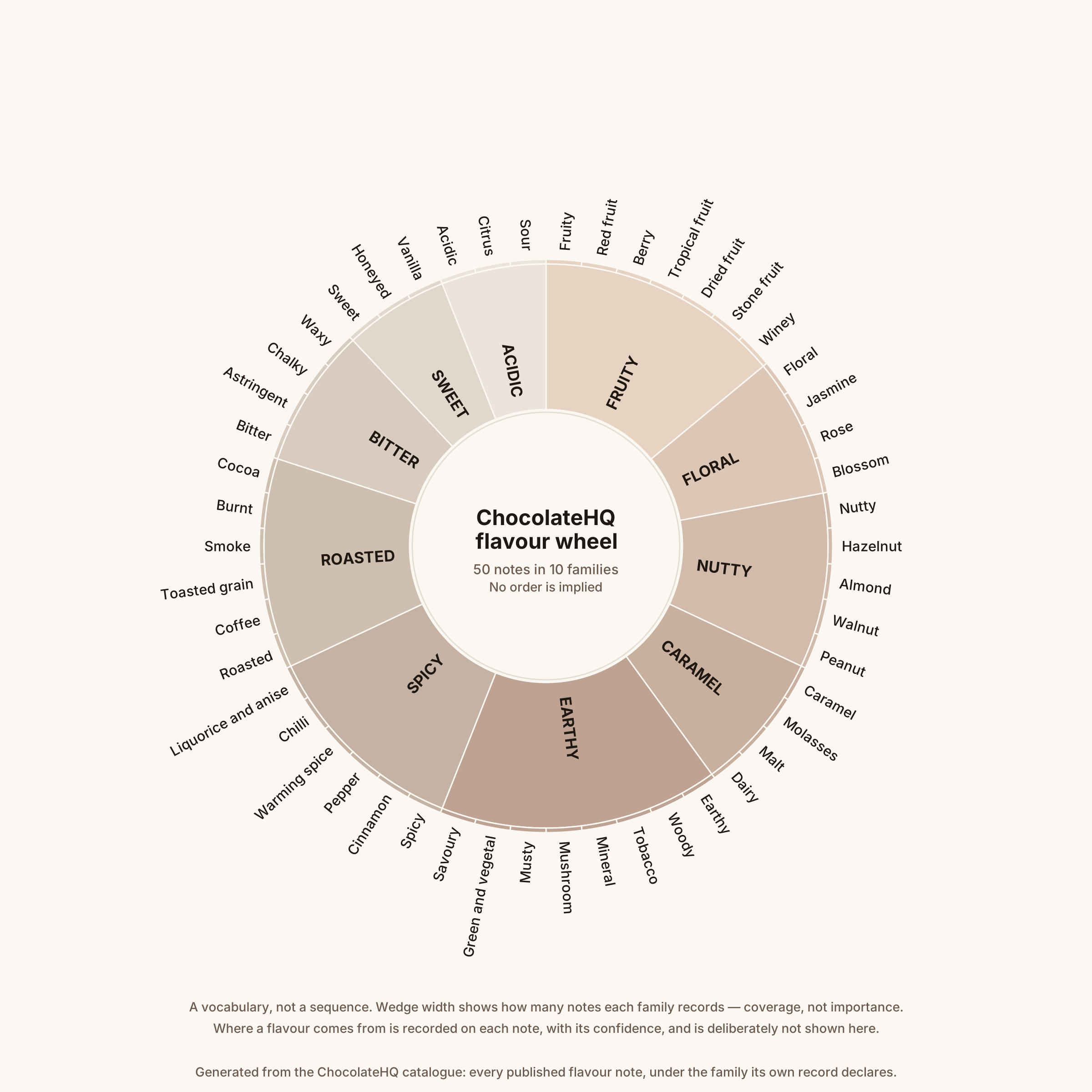
Ten families, and for each one the question a flavour wheel cannot answer: where did this actually come from?
Why a flavour wheel is not enough
A wheel gives you the word. It does not tell you whether the fruit note you are tasting is the bean’s genetics, a short bright fermentation, acid that never escaped during drying, or a batch that over-fermented into something winey. Those are four different facts about the chocolate, and only the last is a fault.
Every record below lists its possible causes with the mechanism behind each, and — where there is more than one — how to tell them apart.
Fruity
Can also be a faultRed fruit, citrus, tropical fruit and dried fruit. The most sought-after family in craft chocolate, and the one whose causes are most often misattributed.
red fruit, raspberry, redcurrant, sour cherry, blackcurrant, citrus
Comes from: from the bean's genetics; created during fermentation; from where it grew; a fault, not a characteristic
Jasmine, orange blossom, rose. The most fragile family — a heavy roast removes it entirely.
jasmine, orange blossom, rose, elderflower, honeysuckle
Comes from: from the bean's genetics; from an added ingredient
Almond, hazelnut, walnut. Mostly a roast product, and one of the few families that is reliably a manufacturing decision rather than a bean characteristic.
almond, hazelnut, walnut, peanut, marzipan
Comes from: created during roasting; from the bean's genetics; from an added ingredient
Toffee, butterscotch, cooked milk. In milk chocolate this is very often a manufacturing process rather than a bean characteristic.
toffee, butterscotch, dulce de leche, cooked milk, malt, brown sugar
Comes from: from an added ingredient; created during roasting; shaped by conching
Earthy
Can also be a faultForest floor, mushroom, tobacco, leather. Legitimate character at one intensity and a mould defect at another.
forest floor, mushroom, tobacco, leather, damp earth, moss
Comes from: created during fermentation; a fault, not a characteristic; from where it grew
Cinnamon, clove, pepper. Almost always either an added ingredient or a fermentation product, and rarely varietal.
cinnamon, clove, black pepper, nutmeg, chilli warmth, anise
Comes from: from an added ingredient; created during fermentation
Roasted
Can also be a faultCoffee, toast, dark cocoa. Entirely a roast product, and the family most often used to cover other problems.
coffee, toast, dark cocoa, burnt sugar, espresso
Comes from: created during roasting; a fault, not a characteristic
Bitter
Can also be a faultA structural component rather than a note, and the one most often confused with astringency — which is a different sensation entirely.
dark cocoa bitterness, coffee bitterness, drying, puckering, harsh
Comes from: from the bean's genetics; a fault, not a characteristic; created during roasting
Almost entirely added sugar, and the family whose perceived intensity depends most on what else is in the bar.
sugar, honeyed, syrup, vanilla-sweet
Comes from: from an added ingredient; created during fermentation
Acidic
Can also be a faultBrightness at low levels, sourness at high ones. The line between the two is drawn in the drying shed.
bright, tart, sour, vinegary, citric, lactic
Comes from: created during fermentation; a fault, not a characteristic
Raspberry, redcurrant, sour cherry. The most sought-after note in craft chocolate and the one most reliably produced by a short, bright fermentation.
raspberry, redcurrant, sour cherry, cranberry, pomegranate
Comes from: created during fermentation; from the bean's genetics; from where it grew
Blackcurrant, blackberry, blueberry — the darker, deeper end of the fruit range, and generally a longer fermentation than red fruit.
blackcurrant, blackberry, blueberry, damson, cassis
Comes from: created during fermentation; from the bean's genetics
Citrus
Can also be a faultOrange, lemon, bergamot. The note most often confused with a fault, because citrus and sourness sit on the same axis.
orange peel, lemon, bergamot, grapefruit, lime zest
Comes from: created during fermentation; a fault, not a characteristic
Banana, mango, passion fruit, lychee — and the one flavour family where the cacao pulp's own taste occasionally survives into the bar.
banana, mango, passion fruit, lychee, pineapple
Comes from: created during fermentation; from the bean's genetics
Dried fruit
Can also be a faultRaisin, fig, date, prune. Concentrated rather than bright, and generally a marker of a long fermentation done well.
raisin, fig, date, prune, dried apricot
Comes from: created during fermentation; a fault, not a characteristic
Peach, apricot, plum. A middle register between bright red fruit and concentrated dried fruit, and comparatively uncommon.
peach, apricot, plum, nectarine
Comes from: created during fermentation; from the bean's genetics
Winey
Can also be a faultFermented-fruit character that has gone past ripeness. Almost always a defect, and the clearest sign of over-fermentation.
overripe fruit, sherry-like, alcoholic, fermented, hammy
Comes from: a fault, not a characteristic
The signature Ecuadorian note, and the most fragile aromatic in chocolate — a heavy roast removes it entirely.
jasmine, orange blossom, white flowers, perfumed
Comes from: from the bean's genetics; created during roasting
Rounder and heavier than jasmine, and more often an added ingredient than a varietal characteristic.
rose, rosewater, turkish delight, geranium
Comes from: from an added ingredient; from the bean's genetics
Orange blossom, elderflower, honeysuckle — the lighter floral register, and the one cocoa butter itself contributes.
orange blossom, elderflower, honeysuckle, acacia
Comes from: from the bean's genetics; from an added ingredient
A floral sweetness distinct from sugar, and one of the few notes that reads as sweet without being sweetness.
honey, beeswax, nectar, malt syrup
Comes from: created during fermentation; created during roasting
The most commercially important nut note in chocolate, and usually an actual hazelnut rather than a roast product.
hazelnut, praline, gianduja, toasted nut
Comes from: from an added ingredient; created during roasting
Marzipan and toasted almond, and one of the more reliable varietal markers for Criollo-descended material.
marzipan, toasted almond, amaretto, blanched almond
Comes from: from the bean's genetics; created during roasting; from an added ingredient
A drier, slightly tannic nut note that shades towards bitterness — and one that can indicate a roast pushed slightly too far.
walnut, pecan, walnut skin, dry nut
Comes from: created during roasting; from an added ingredient
Almost always an added ingredient. Where it appears without one, it is generally a marker of a heavy roast on bulk beans.
peanut, peanut butter, roasted groundnut
Comes from: from an added ingredient; created during roasting
The most common addition to chocolate, and one of the clearest signals of what a maker is trying to hide or to show.
vanilla, vanillin, custard, sweet cream
Comes from: from an added ingredient; created during fermentation
Dark, slightly bitter sweetness — the deepest register of the caramel family, and a marker of long fermentation or heavy roast.
molasses, treacle, brown sugar, dark caramel, toffee
Comes from: created during fermentation; created during roasting
Biscuity, cereal-like sweetness. In milk chocolate it is usually the milk-crumb process rather than the beans.
malt, biscuit, digestive, malted milk, cereal
Comes from: from an added ingredient; created during roasting
Cream, butter and cooked milk. Almost entirely a formulation matter — and one of the few notes that can come from cocoa butter alone.
cream, butter, cooked milk, condensed milk, fresh dairy
Comes from: from an added ingredient
The oldest chocolate addition still in everyday use, and standard in Mexican and Spanish drinking chocolate.
cinnamon, cassia, warm spice, baking spice
Comes from: from an added ingredient; created during fermentation
A sharp, slightly numbing spice note that is more often a fermentation product than an addition.
black pepper, white pepper, peppercorn, sichuan tingle
Comes from: created during fermentation; from an added ingredient
Clove, nutmeg, allspice — the aromatic register that sits between cinnamon and pepper, and largely a fermentation signature.
clove, nutmeg, allspice, cardamom, mulling spice
Comes from: created during fermentation; from an added ingredient
The original chocolate flavouring, predating sugar by centuries. Always an addition — cacao produces no capsaicin.
chilli, ancho, chipotle, cayenne, heat
Comes from: from an added ingredient
The closest chocolate comes to another food's flavour, and for a real reason — both are fermented seeds that are then roasted.
coffee, espresso, mocha, roasted bean
Comes from: created during roasting; from an added ingredient
Toast, bread crust and cereal — the early, gentler stage of roast development, before coffee and burnt notes arrive.
toast, bread crust, cereal, digestive biscuit, granola
Comes from: created during roasting
Smoke
Can also be a faultAlmost always a drying artefact rather than an origin characteristic — and one that some makers now seek deliberately.
woodsmoke, campfire, smoked, bonfire, phenolic
Comes from: a fault, not a characteristic; created during roasting
Burnt
Can also be a faultAcrid, ashy bitterness that does not clear. A roast fault, and one frequently used deliberately to mask worse ones.
burnt, acrid, ashy, scorched, carbonised
Comes from: a fault, not a characteristic
Woody
Can also be a faultCedar, oak and dry timber. At low levels a characteristic; at higher levels it usually means shell left in the nib.
cedar, oak, dry wood, papery, cigar box
Comes from: created during fermentation; a fault, not a characteristic
Dried leaf and cigar-box character. A marker of long, well-managed fermentation and generally a compliment.
tobacco, cigar box, dried leaf, pipe tobacco, hay
Comes from: created during fermentation
Wet stone, slate, iron. The least well understood note in chocolate, and the one most likely to be a projection.
wet stone, slate, flint, iron, chalk
Comes from: from where it grew; created during fermentation
Mushroom
Can also be a faultForest floor and damp earth. Sits directly on the boundary between a characteristic and a mould fault.
forest floor, mushroom, damp earth, moss, truffle
Comes from: created during fermentation; a fault, not a characteristic
Musty
Can also be a faultMould. A storage and drying fault, and one of the few chocolate defects that is genuinely unrecoverable at every subsequent stage.
mould, damp cupboard, cellar, mildew, stale
Comes from: a fault, not a characteristic
Astringent
Can also be a faultA drying, puckering sensation rather than a taste — and the single most reliable indicator of under-fermentation.
drying, puckering, chalky, tannic, green
Comes from: a fault, not a characteristic; from the bean's genetics
Sour
Can also be a faultAcidity past the point of brightness. Usually acetic acid trapped in the bean by drying that went too fast.
vinegar, sharp, sour, acetic, harsh
Comes from: a fault, not a characteristic; shaped by conching
Chalky
Can also be a faultA gritty, sandy texture rather than a flavour. Under-refining, and the most common flaw in small-batch chocolate.
gritty, sandy, grainy, chalky, coarse
Comes from: a fault, not a characteristic; from an added ingredient
Waxy
Can also be a faultA coating that does not clear from the palate. Almost always compound coating rather than chocolate.
waxy, greasy film, coating, palate-clinging
Comes from: from an added ingredient; a fault, not a characteristic
Green and vegetal
Can also be a faultGrass, raw bean, unripe fruit. Almost always under-development — either fermentation or roast.
grassy, raw bean, unripe, vegetal, green
Comes from: a fault, not a characteristic; created during roasting
Savoury
Can also be a faultSoy, miso and broth-like depth. Uncommon, genuine, and a product of long fermentation.
soy, miso, broth, meaty, savoury
Comes from: created during fermentation; a fault, not a characteristic
The baseline note everything else sits on. Circular as a descriptor, and worth defining because it is what most people mean by chocolate.
cocoa, chocolatey, classic chocolate, cocoa powder
Comes from: created during roasting; created during fermentation
A sweet, slightly medicinal aromatic note that appears in some long-fermented material without any being added.
liquorice, anise, fennel, star anise
Comes from: created during fermentation; from an added ingredient